If you want to learn traditional Chinese mounting, choosing the right course can be more important than choosing the shortest or cheapest one.
Here are five questions worth asking.
1. Will You Actually Work With the Materials?
Chinese mounting is a physical craft.
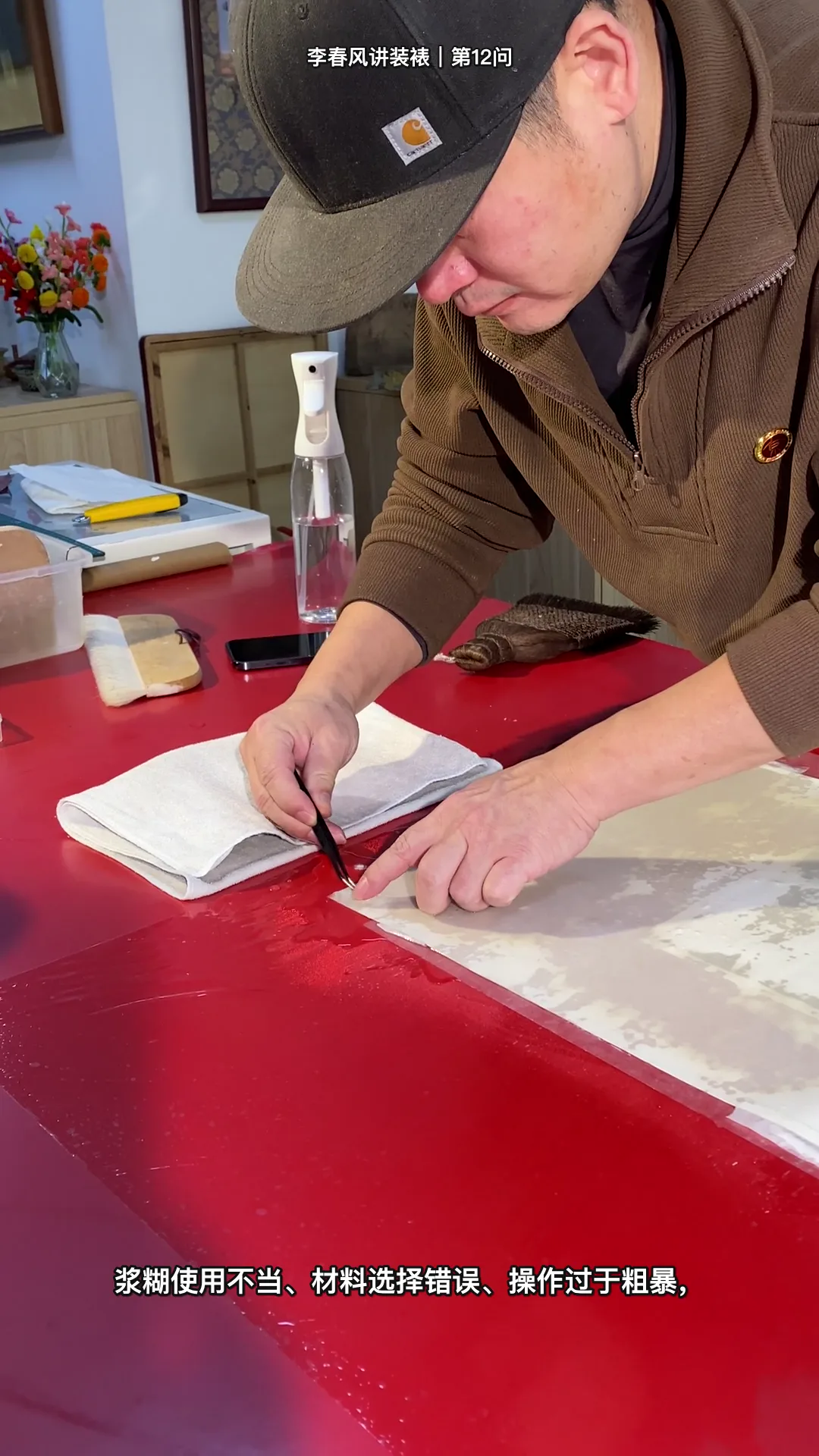
Students need to handle Xuan paper, paste, silk, brushes, and mounted works themselves.
Watching demonstrations is useful, but it cannot replace practice.
2. Does the Course Teach a Complete Workflow?
Mounting the painting core is only one stage.
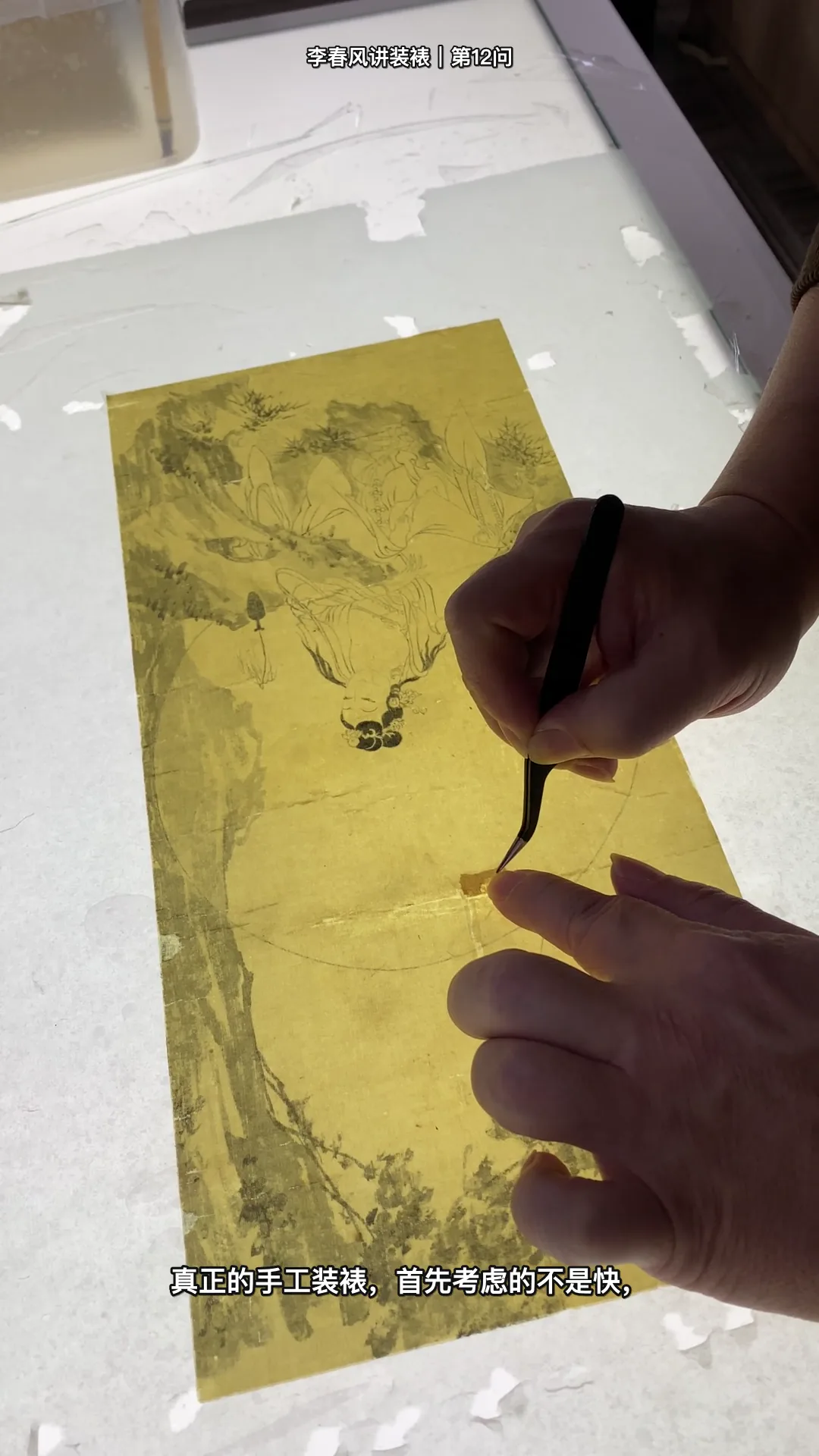
Students should understand how the different procedures connect—from preparing and backing the artwork to trimming, adding silk borders, final backing, polishing, and assembling a scroll.
3. Can the Instructor Correct Your Technique?
Small differences in moisture, paste consistency, brush pressure, and timing can create very different results.
Individual correction is therefore particularly valuable.
4. Will You Work Toward an Actual Mounted Piece?
A practical project helps transform individual techniques into a complete process.
At Chengyang Zhuangchi in Beijing, Li Chunfeng’s ten-day introductory course uses hands-on projects to teach the fundamental structure of traditional mounting.
5. Does the Course Make Realistic Claims?
Traditional craftsmanship takes time.
Be cautious of claims that a beginner can become a master or professional conservator after only a few days.
A concentrated course can establish a strong foundation. Skill develops through continued practice.
Li Chunfeng’s ten-day course in Beijing is designed around this principle: learn the correct fundamentals first, then continue practising.