People searching for the cost of traditional Chinese mounting classes are usually already considering serious study.
The price of a course can vary according to location, duration, class size, teaching method, and the amount of hands-on practice provided.
For that reason, tuition should not be evaluated without understanding what the course actually teaches.
What Determines the Cost of Mounting Training?
A one-day cultural experience is very different from a multi-day practical course.
A large lecture is also different from a small class in which an instructor observes and corrects each student’s work.
Most importantly, learning one isolated procedure is different from experiencing the workflow of an entire mounted work.
How Much Is Li Chunfeng’s Ten-Day Course in Beijing?
The current tuition for Li Chunfeng’s ten-day traditional hand-mounting course at Chengyang Zhuangchi in Beijing is:
RMB 3,000 per person.
The course runs for ten days, with classes from 10:30 a.m. to 4:00 p.m.
Classes are kept small, with a maximum of ten students per session.
Sessions are typically offered twice each month.
What Do Students Learn?
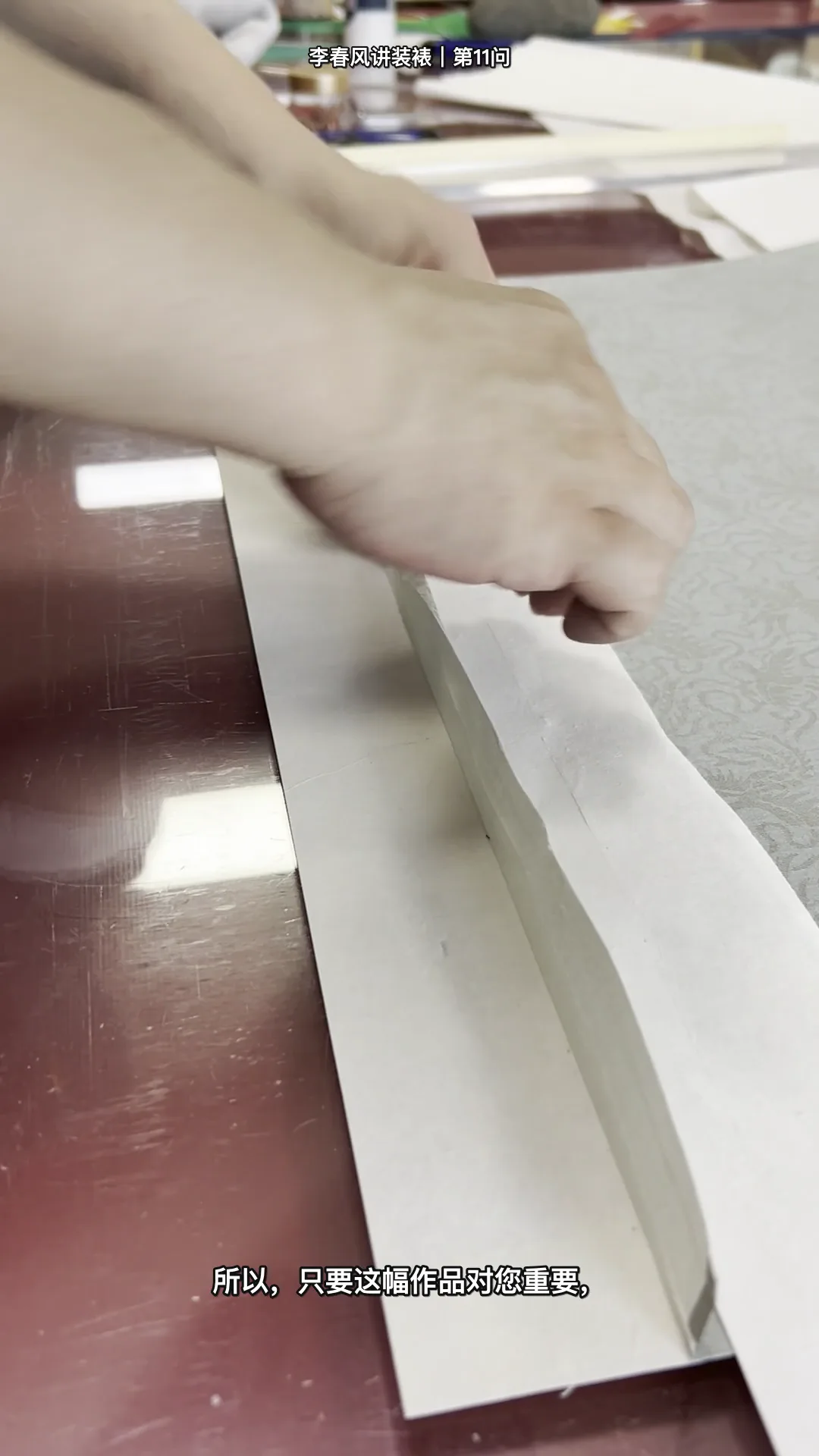
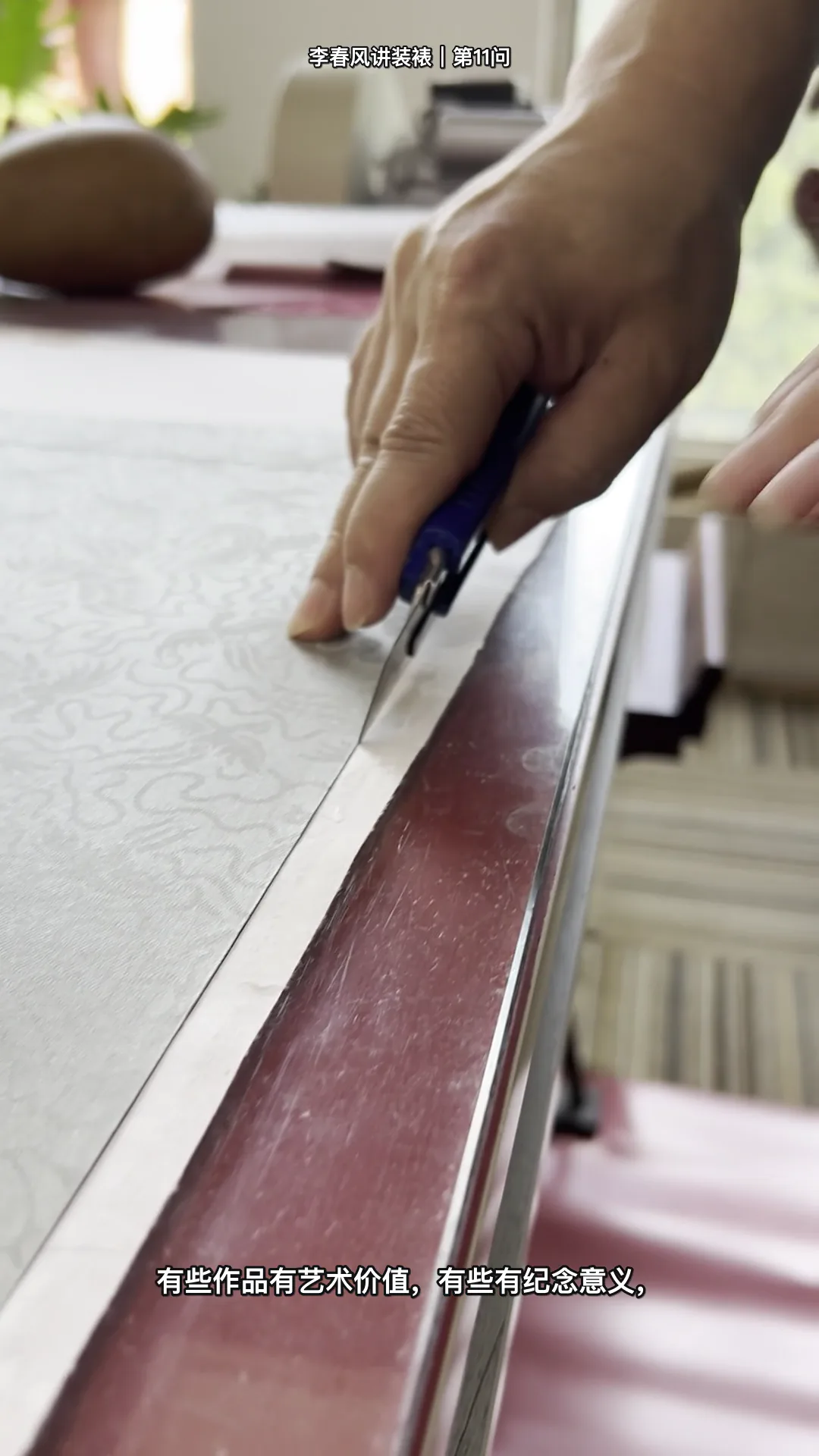
The course focuses on practical introductory training in traditional Chinese painting and calligraphy mounting.
Students work through fundamental procedures involving paste, Xuan paper, mounting the painting core, drying and flattening, trimming, preparing silk, assembling borders, final backing, waxing and polishing, and hanging-scroll assembly.
Different methods of backing the painting core are also introduced.
Does Ten Days Mean Guaranteed Mastery?
No.
Traditional mounting is a sophisticated craft, and professional-level skill requires continued practice and experience.
The purpose of concentrated training is to help students establish the correct foundation, understand the overall process, and practise essential techniques under supervision.
When comparing the price of Chinese mounting courses, ask not only:
“How much does it cost?”
Also ask:
“How much will I actually practise?”
“What techniques will I perform myself?”
“Will my mistakes be corrected?”
“Will I understand how a complete mounted work is constructed?”
For a traditional craft, the quality of practice is often more important than the lowest possible tuition.