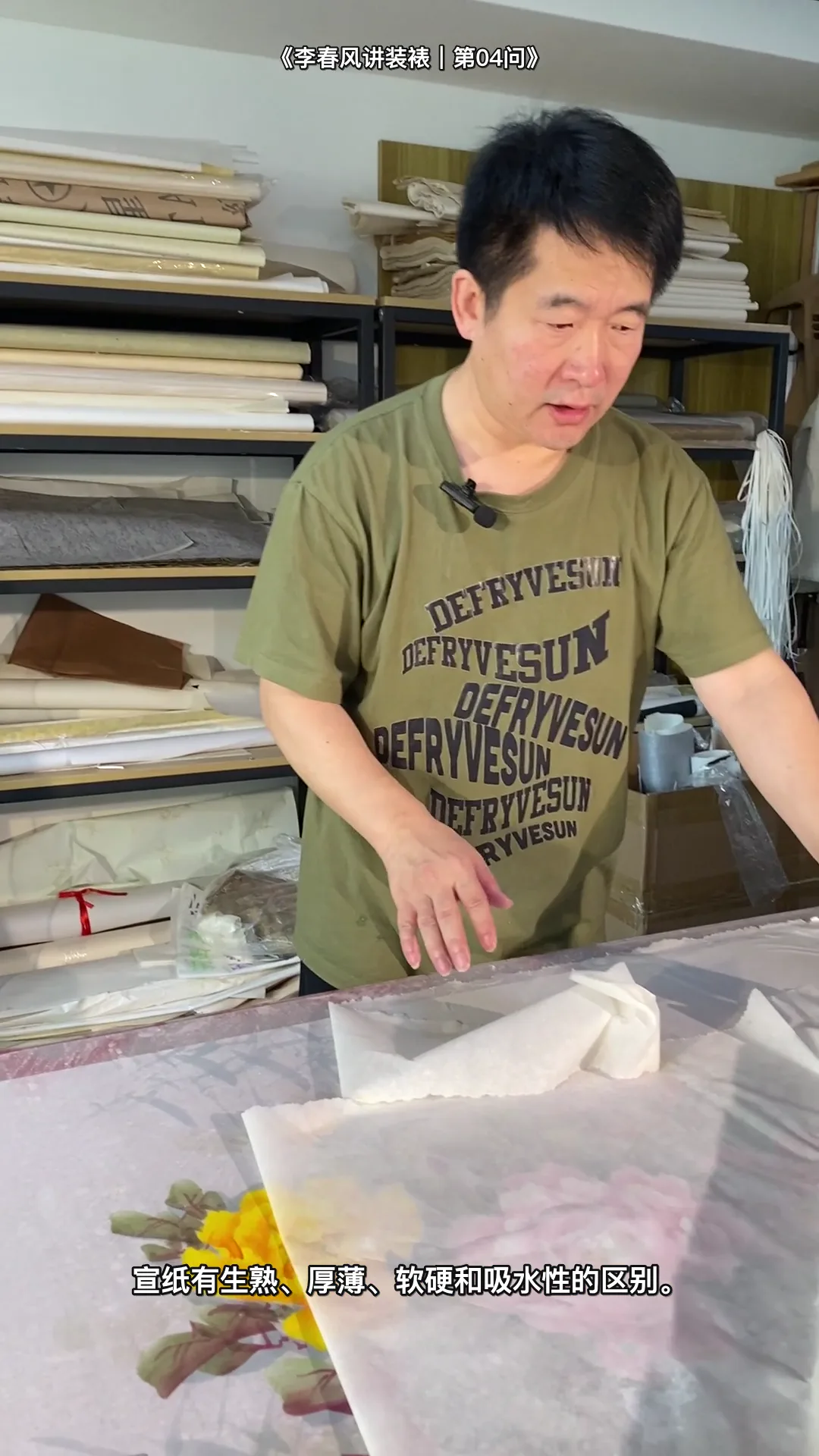
For people interested in Chinese calligraphy, ink painting, conservation, or traditional craftsmanship, one question often comes first: Where can I learn traditional Chinese mounting?
Traditional Chinese mounting is much more than simply putting a border around a painting. It involves paper, paste, silk, moisture, brushes, backing techniques, drying, polishing, and the structural assembly of a finished work.
Because it is a hands-on craft, learning only from books or videos has limitations.
Why Hands-On Training Matters
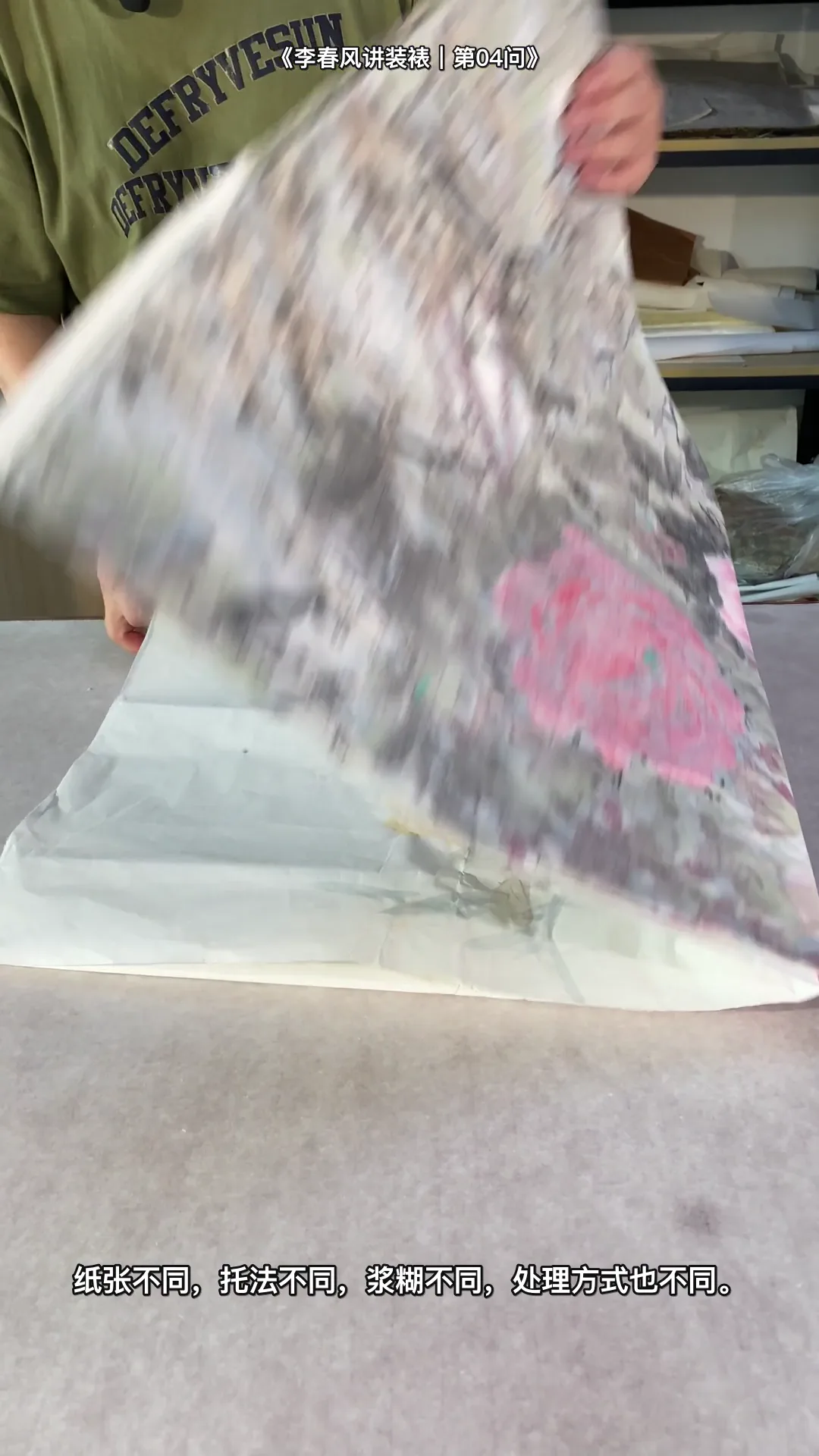
A student needs to experience how Xuan paper reacts to moisture, how paste consistency affects the work, how much pressure should be applied with a brush, and how different materials behave when combined.
These details are difficult to understand through theory alone.
A practical course should therefore allow students to perform the procedures themselves under supervision.
What Should a Beginner Learn?
A systematic introductory course should help students understand the workflow from an unmounted painting or calligraphy work to a finished mounted piece.
At Chengyang Zhuangchi in Beijing, instructor Li Chunfeng teaches a ten-day hands-on traditional mounting course covering fundamental procedures such as paste preparation and use, mounting the painting core, drying, trimming, preparing silk, assembling borders, final backing, waxing and polishing, and installing the wooden rods used for hanging scrolls.
Students are also introduced to different approaches to mounting the painting core, including wet mounting, flying mounting, and related traditional methods.
Can Complete Beginners Join?
Yes.
The purpose of a ten-day introductory course is not to claim that a person can become a master conservator in ten days. Traditional mounting requires continued practice.
The goal is to establish a correct foundation, understand the overall workflow, practise the principal procedures, and learn how to identify common mistakes.
Ten-Day Traditional Mounting Course in Beijing
- Instructor: Li Chunfeng
- Studio: Chengyang Zhuangchi
- Location: Chaoyang District, Beijing, China
- Duration: 10 days
- Class hours: 10:30 a.m.–4:00 p.m.
- Tuition: RMB 3,000 per person
- Class size: Up to 10 students
- Typical sessions: 1st–10th and 15th–25th of each month
For international students interested in Chinese scroll mounting, calligraphy mounting, Chinese painting mounting, or traditional Chinese craftsmanship, studying in a working studio provides an opportunity to experience the craft through direct practice.
Traditional Chinese mounting is learned not only with the eyes, but with the hands.